

F12 6815 U-Search+ Rescue (SOS) Torch
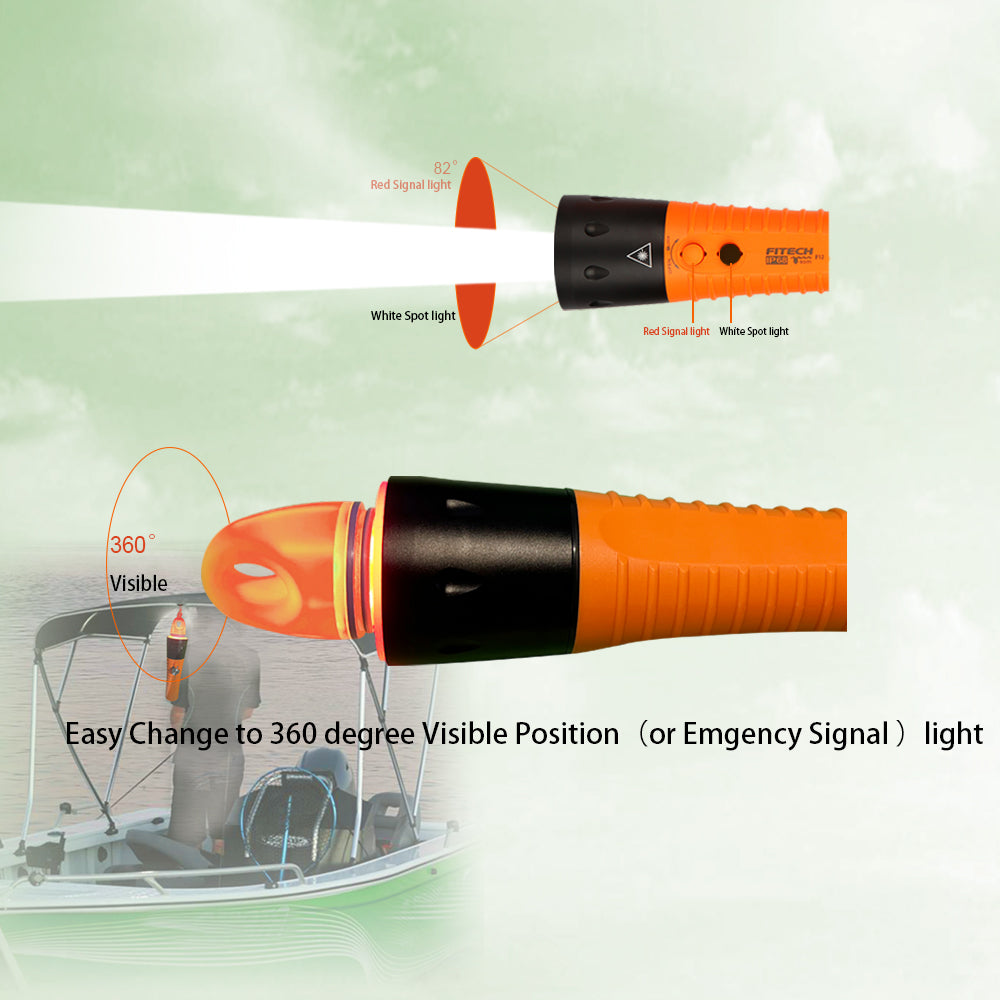
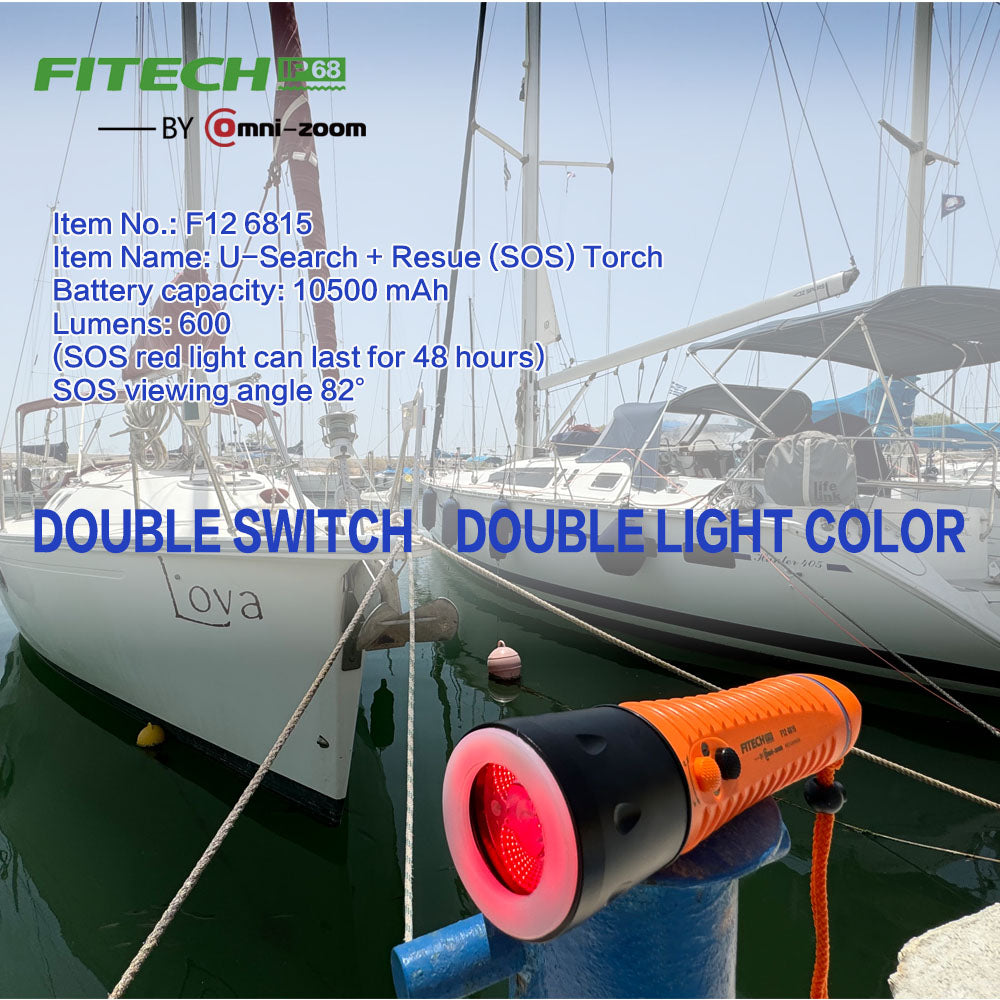
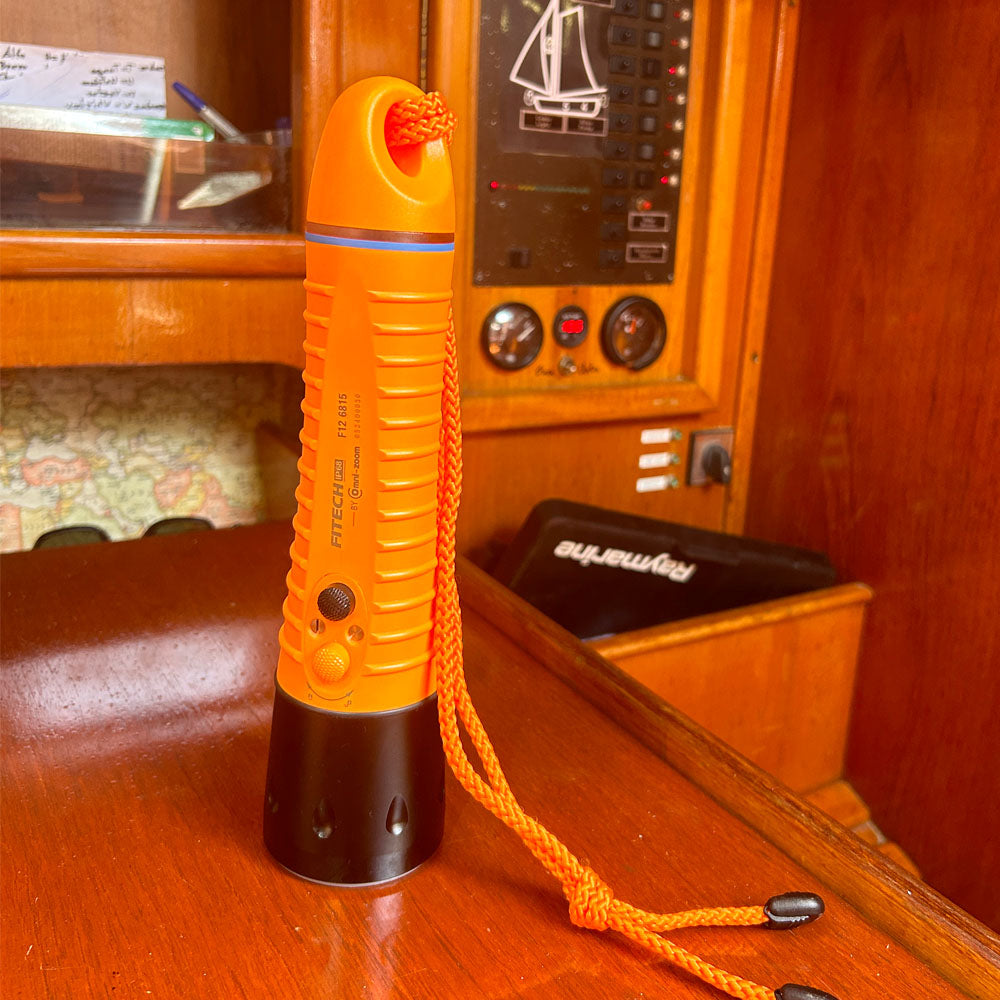
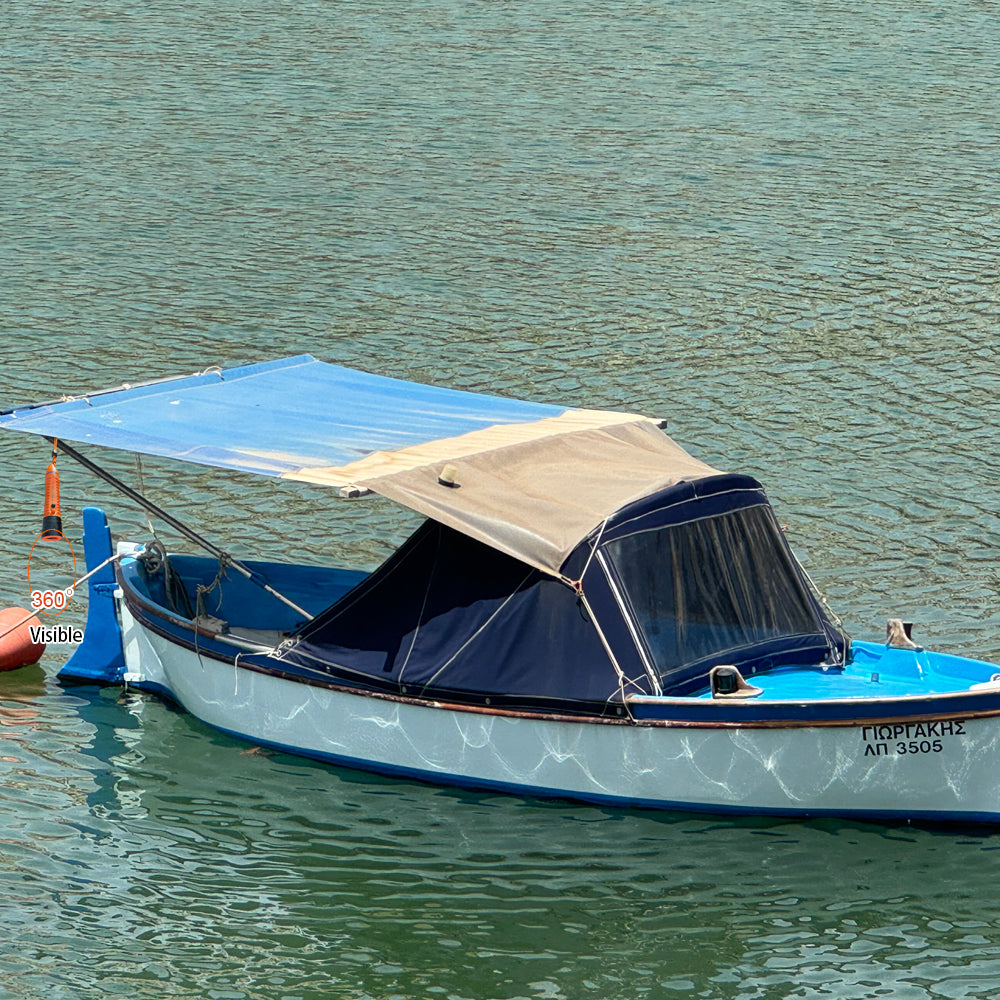
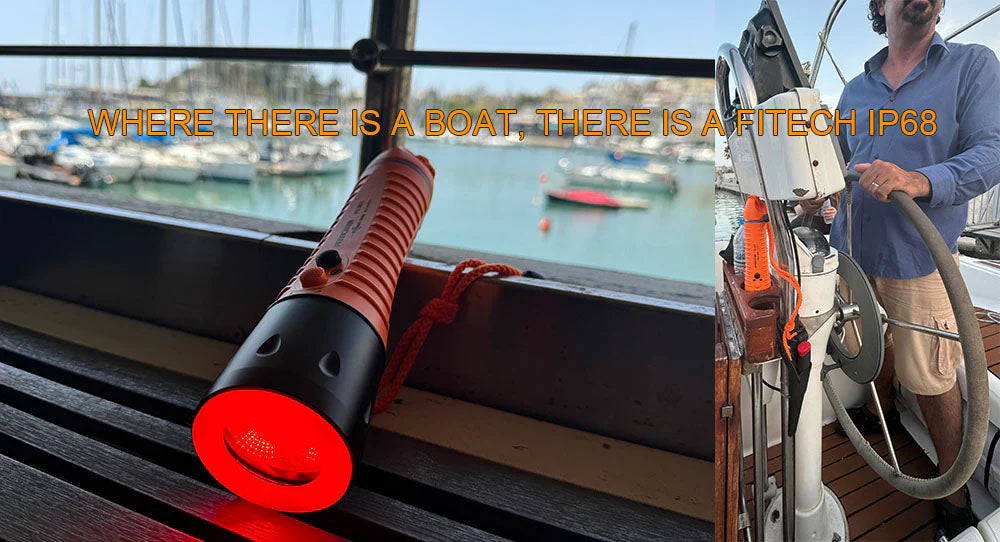
FITHEC F12 Multi-Function Boat Torch: Essential for Onboard Operations and Emergencies, as a torch for field exploration, users usually face a variety of unpredictable environments, we believe that safety is the most important in harsh environments, strong light is only the most basic requirements, for this reason we have improved the utility of this product in many ways.
In order to prevent accidents, we made a double switch with anti-accidental trigger lock design, any one switch damage will not make the product completely failed, coupled with the 3m drop standard, it will maximise the guarantee that you will not be accidentally lead to turn on or off the light.
IP68 waterproof rating, even deep into the water 120m, so you do not have to worry about water ingress and failure, whether underwater or on land!
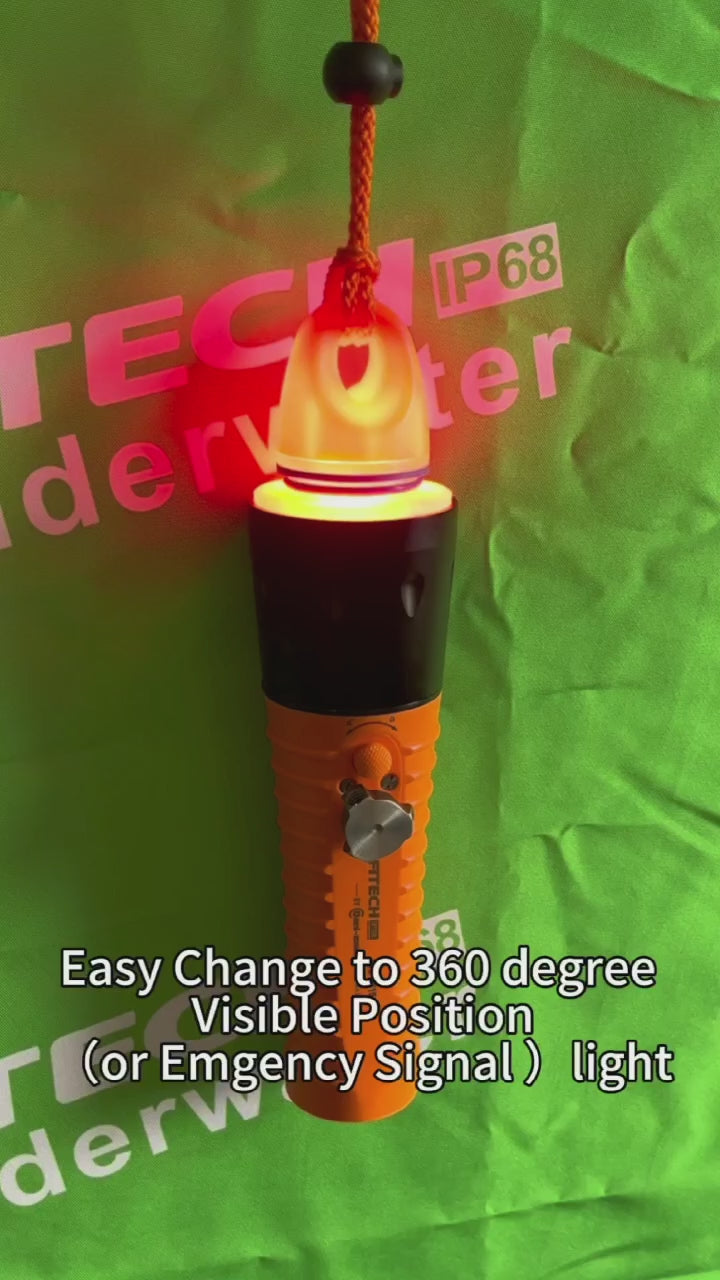
In addition, we have set three light modes, high, medium and low, and SOS mode, which are controlled by two switches. This function allows you to adjust different light modes according to different situations, so that you can maximise the balance of the lighting time and the use of light.
Finally, when you are in the outdoor, cavern, sea, underwater and other such complex environment, have a F12 torch on the side will give you a lot of peace of mind.
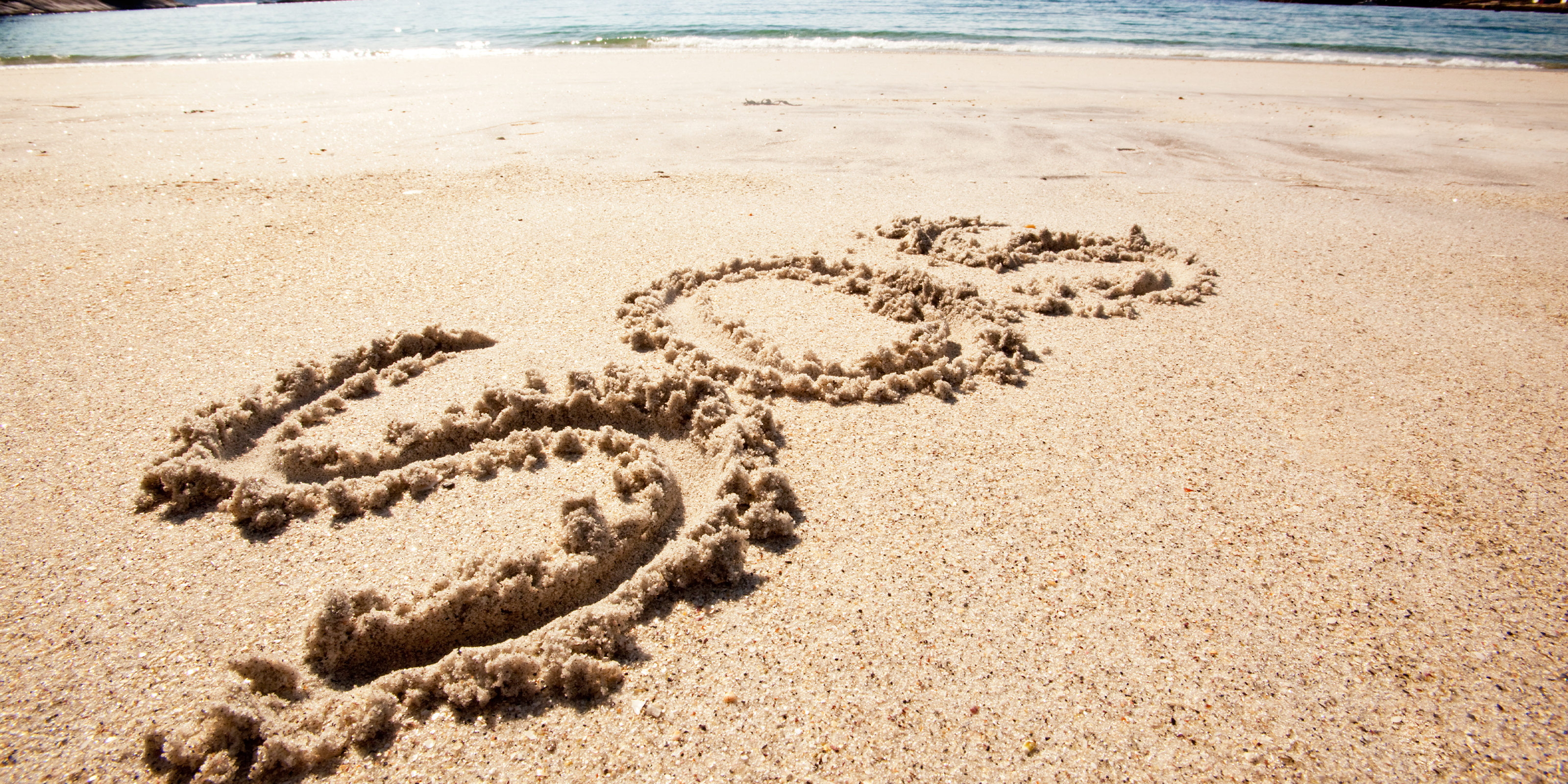
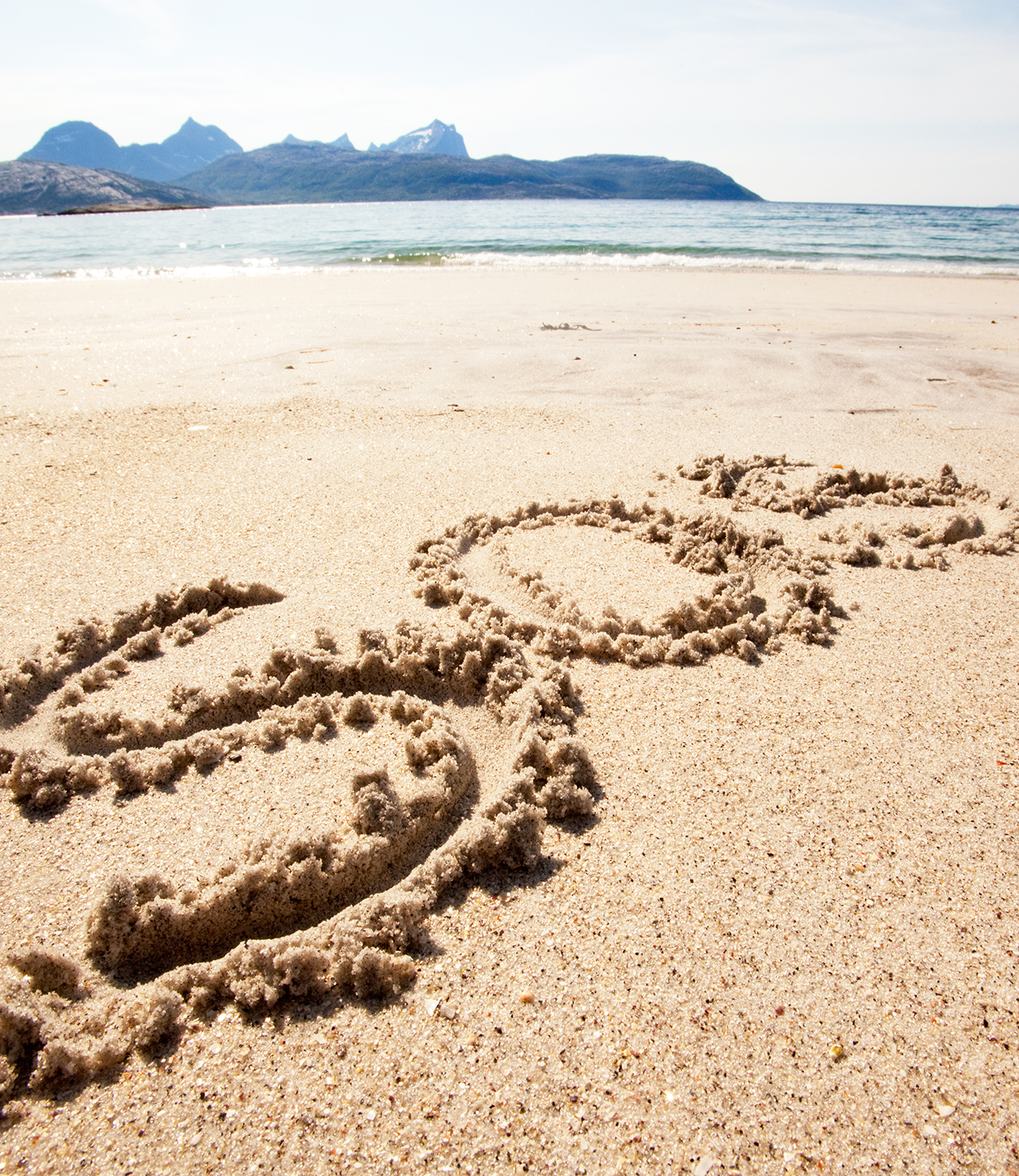
Traditionally, distress signals are not associated with lights of a particular colour. Distress signals are mainly conveyed through a signalling pattern in Morse code: three short signals, three long signals, and three more short signals. This pattern can be conveyed using a variety of light sources, such as torches, signal lamps and even lanterns.
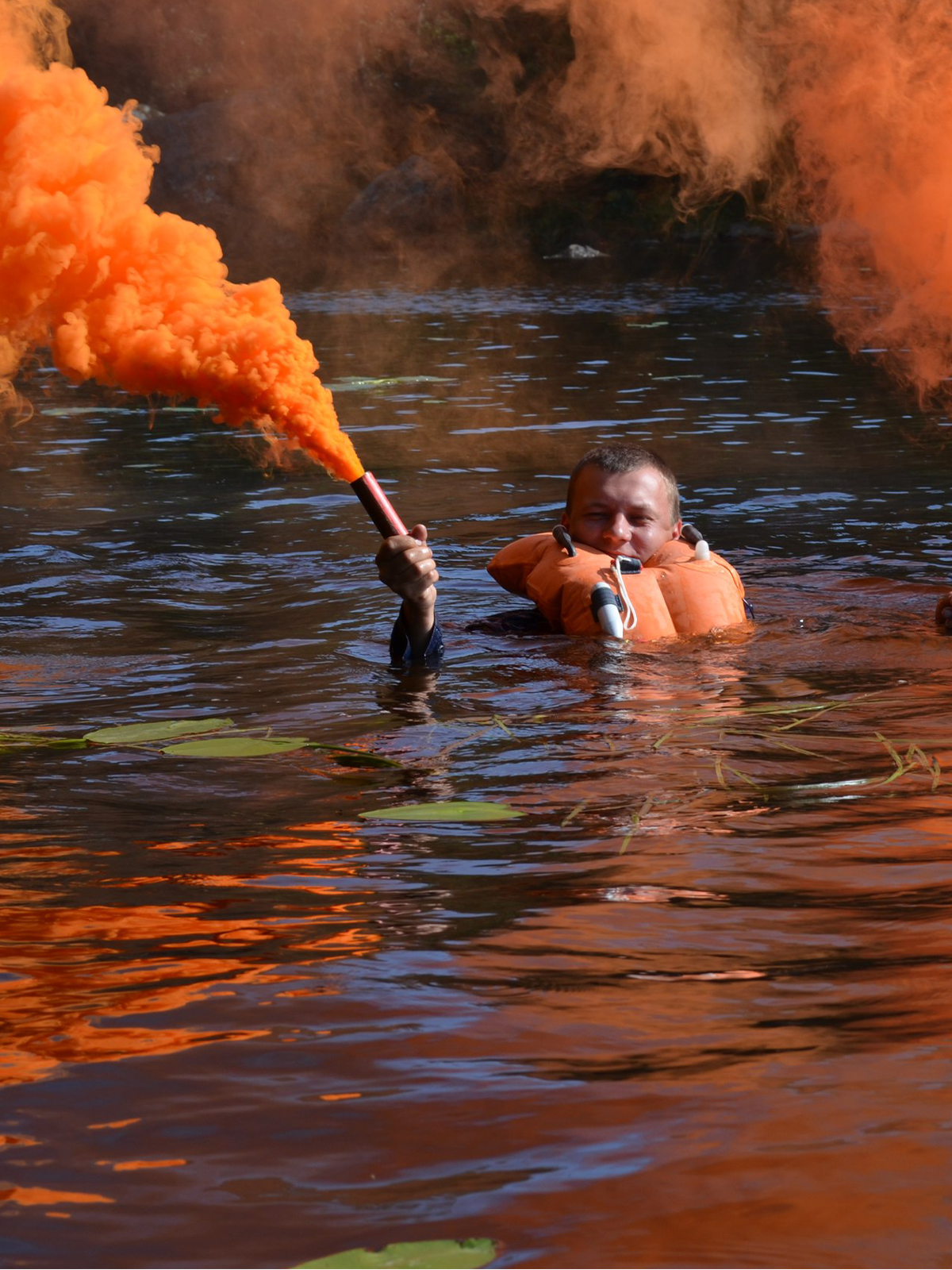
However, when it comes to distress signals at sea, different types of distress signals have specific colours. For example, at sea, red flares or red smoke signals are commonly used to indicate distress. Similarly, orange smoke signals or orange flags may be used to attract attention and signal an emergency. These specific colours help to distinguish distress signals from other types of signals or flags used in maritime communications.
Traditionally, distress signals are not associated with lights of a particular colour. Distress signals are mainly conveyed through a signalling pattern in Morse code: three short signals, three long signals, and three more short signals. This pattern can be conveyed using a variety of light sources, such as torches, signal lamps and even lanterns.
However, when it comes to distress signals at sea, different types of distress signals have specific colours. For example, at sea, red flares or red smoke signals are commonly used to indicate distress. Similarly, orange smoke signals or orange flags may be used to attract attention and signal an emergency. These specific colours help to distinguish distress signals from other types of signals or flags used in maritime communications.